August 5, 2026
Air conditioning systems are a crucial part of modern living, offering comfort during the sweltering summer months. Regular maintenance of these systems is essential to ensure their longevity and efficacy. Ignoring the early warning signs of potential failures can lead to complete breakdowns or costly repairs, which could have been easily avoided. By understanding the common issues that signal the need for service, homeowners can address problems proactively. This article explores key indicators that your air conditioning system may need professional attention from an air conditioning service to prevent complete system failures.
1. Inadequate Cooling Output
Temperature fluctuations within your home can often indicate underlying issues with your air conditioning system. If different rooms have inconsistent temperatures, your system might be struggling to maintain an even climate due to an internal problem. This inconsistency can stem from blocked vents, malfunctioning thermostats, or imbalances in airflow. Such issues, if ignored, can compound and lead to complete system failure. Regularly monitoring your home's temperature uniformity can help in identifying early signs of trouble.
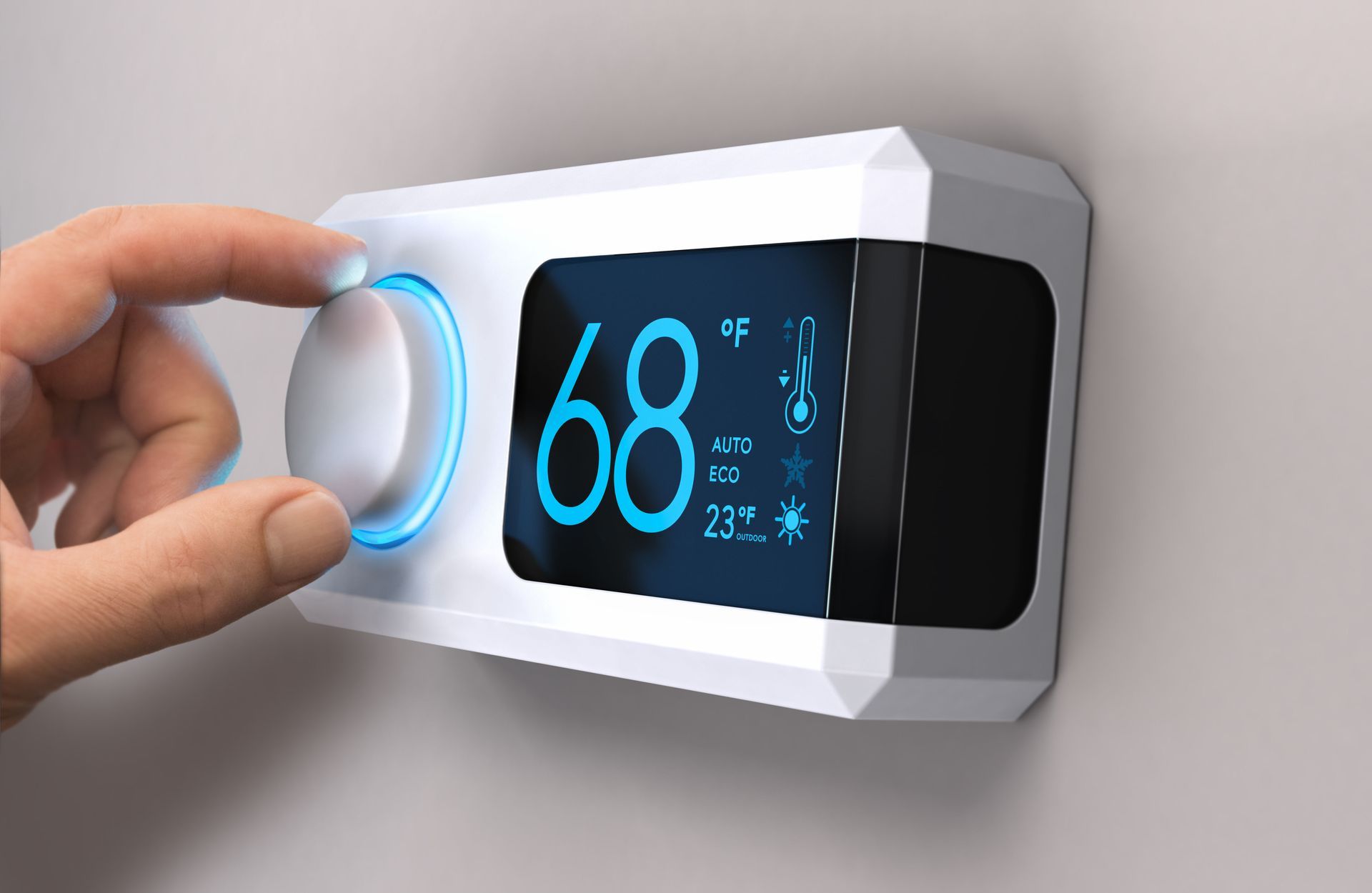
A faulty thermostat can significantly affect the cooling efficiency of your system. When the thermostat misreads the indoor temperature, it can cause the system to cycle frequently, reducing efficiency and increasing wear. Users often overlook this simple yet crucial component, attributing poor performance to the system itself. Regular calibration and checking of the thermostat ensure the system operates efficiently. A well-functioning thermostat is pivotal to maintaining the optimal performance of your air conditioning unit.
Blocked airflow due to clogged vents or ducts can drastically reduce cooling output. Dust, debris, or even physical obstructions can impede the airflow, causing your system to work harder than necessary. This extra strain not only diminishes efficiency but also accelerates the wear on system components. Ensuring regular cleaning and inspection of ductwork can prevent such blockages. By maintaining clear ducts, you prolong your system's lifespan and enhance its cooling efficiency.
As the components of your air conditioning system age, their efficiency naturally diminishes. Older systems may not only cool less effectively but also consume more energy. According to Budget Heating, upgrading from a 10 SEER system to a high SEER2 system can reduce cooling energy use by 30% to 50%. This significant energy saving underscores the importance of timely replacements and upgrades. As an experienced air conditioning service, we've found that monitoring the age and condition of your system is key to maintaining high performance and energy efficiency.
2. Unusual Noises
Banging noises from your air conditioning unit can be alarming and typically signify loose or broken parts. Such sounds often result from components like the compressor or fan motor becoming detached. If ignored, these parts can cause extensive damage to other system components. Addressing these issues promptly prevents further deterioration and potential system failure. Regular servicing can preclude such scenarios, ensuring secure component operation.
Squealing noises usually emanate from belt issues or motor bearings needing lubrication. As components dry out, friction increases, resulting in high-pitched squeals during operation. Timely lubrication and belt replacement can mitigate these issues before they sabotage the system. Such preventative maintenance tasks are straightforward yet yield significant longevity benefits for the system. Ignoring squealing can lead to belt failure, which might compromise the entire system.
Grinding noises are often more severe, indicating potential motor or compressor problems. When metal-on-metal contact occurs, it signifies a lack of necessary lubrication or component misalignment. These sounds should be addressed immediately to prevent irreversible damage to vital components. Regular inspection and maintenance can identify vulnerable parts before they fail. Ensuring moving parts are well lubricated and aligned is crucial for optimal system operation.
Persistent clicking noises during operation may signal electrical problems or component malfunctions. Such sounds often arise when relays, capacitors, or switches are beginning to wear out. Early intervention with clicking noises can prevent electrical failures, which could otherwise lead to system shutdown. Addressing these minor issues as they arise avoids compounded problems and costly repairs. Regular electrical inspection and component testing help in nipping these issues in the bud.
3. Strange Odors
Moldy smells emanating from your AC system typically indicate the presence of mold within the unit or ductwork. Mold thrives in moist conditions, and an air conditioner’s components can provide the perfect environment. Such growth not only impairs AC efficiency but also poses health risks such as respiratory issues. Regular cleaning and inspection can eliminate mold sources and maintain clean airflow. Promptly addressing moldy smells protects both the system's integrity and your health.
Burning odors are a red flag for potential electrical problems or overheating components. This could result from wire insulation burning, motor issues, or worn-out components. Ignoring these smells can lead to electrical hazards or complete system failure. Regular inspection and servicing of electrical and mechanical components avert such risks. Keeping an air conditioning system in top condition ensures both safety and effective cooling.
Chemical smells within a home when the AC is running often suggest a refrigerant leak. Refrigerants are chemical compounds critical for cooling, and a leak can hinder the system's performance. Addressing refrigerant issues swiftly prevents environmental harm and restores effective cooling. Regular system checks ensure no leak goes undetected for too long. Handling refrigerants properly safeguards against performance issues and promotes environmental safety.
4. Frequent Cycling
Short cycling occurs when your air conditioner turns on and off more frequently than necessary. This is typically indicative of an underlying issue causing the system to struggle to maintain the set temperature. Excessive short cycling can put a significant strain on the system, leading to premature wear and increased energy consumption. Regular HVAC checks can identify the root cause of short cycling and correct it effectively. Addressing short cycling ensures longer component life and sustained energy efficiency.
Conversely, continuous operation without achieving the desired temperature can signal a range of system issues. The cause might be anything from an oversized unit to poor insulation or thermostat malfunctions. Continuous running leads to higher wear and increases energy bills without providing the necessary comfort. Regular checks help identify maladjustments contributing to constant operation. Returning the system to normal cycling retains energy efficiency and reduces wear on the system.
Inaccurate thermostat readings often result in improper system cycling. If the thermostat wrongly detects temperature changes, it can trigger unnecessary cycling, wasting energy. Calibration ensures the thermostat mirrors actual indoor conditions, optimizing system performance. Regular thermostat inspections and adjustments ensure accurate temperature monitoring and eliminate errant cycling. Clear, precise thermostat readings translate to enhanced system efficiency and comfort.
5. Increased Energy Bills
Increasing energy bills often point to a decline in system energy efficiency. As parts age or wear, the system may consume more power to achieve the same output. Regular maintenance and timely replacement of aging parts ensure sustained energy efficiency.
Comparing current energy bills to historical records can provide insights into system performance trends. An unexpected increase in energy costs might indicate system inefficiencies or underlying issues. Regularly tracking energy use helps identify sudden spikes that signal potential problems requiring service. Implementing energy-efficient practices and timely system checks aids in managing energy consumption effectively. Historical analysis ensures proactive responses to escalating energy costs.
Ineffective insulation can drastically impact a system's cooling efficiency, resulting in higher energy bills. Poor insulation allows cool air to escape and warm air to penetrate, making the system work harder. Upgrading insulation and sealing gaps or leaks prevents excessive energy consumption. An energy-efficient system relies on maintaining a stable indoor climate with minimal effort. Ensuring effective insulation supports optimal air conditioning system performance.
Understanding and recognizing the warning signs of a failing air conditioning system are crucial. Regular maintenance from a professional air conditioning service can significantly prolong the lifespan of the system, enhancing its efficiency and effectiveness. By addressing issues like inadequate cooling, unusual noises, strange odors, frequent cycling, increased energy bills, and moisture concerns, homeowners can avoid costly repairs and system failures. Prioritizing timely servicing and component updates not only ensures comfort but also contributes to energy savings, vital in today's environmentally conscious world. By following these guidelines, homeowners can enjoy consistent cooling and peace of mind with a well-maintained air conditioning system. For an experienced
air conditioning service you can rely on, contact Aces Mechanical today.